
Can I do a yoga training with a herniated disc?
A yoga teacher training is an intense and transformative journey; so is it unrealistic to take one on while healing from a herniated disc? If you are pondering whether it’s possible, here’s my experience on my 300-hour YTTC.
When I first considered doing my advanced yoga teacher training, I was still in the recovery process from my herniated disc. I was at a point where I wasn’t in daily pain anymore, I had learned how to modify my practice and I knew how to teach in a way that was safe for me too. Yet, I felt stuck. My physical recovery seemed to have hit a plateau, despite all the treatments and careful movement.
At the same time, I felt an undeniable pull to go to India. Something inside me just knew it was the right next step for me. But doubt crept in; could my body handle the intensity of a 300-hour yoga teacher training? The emotional and mental efforts such trainings required? My doctor had cleared me, but I still wondered if I was about to make a huge mistake. But we know it; yoga is more than just movement. It’s about awareness, adaptability and deep listening; exactly what I needed during that phase of my healing journey. So, I decided to trust the process. To trust myself. And so, I went!
(Re)learning and healing holistically
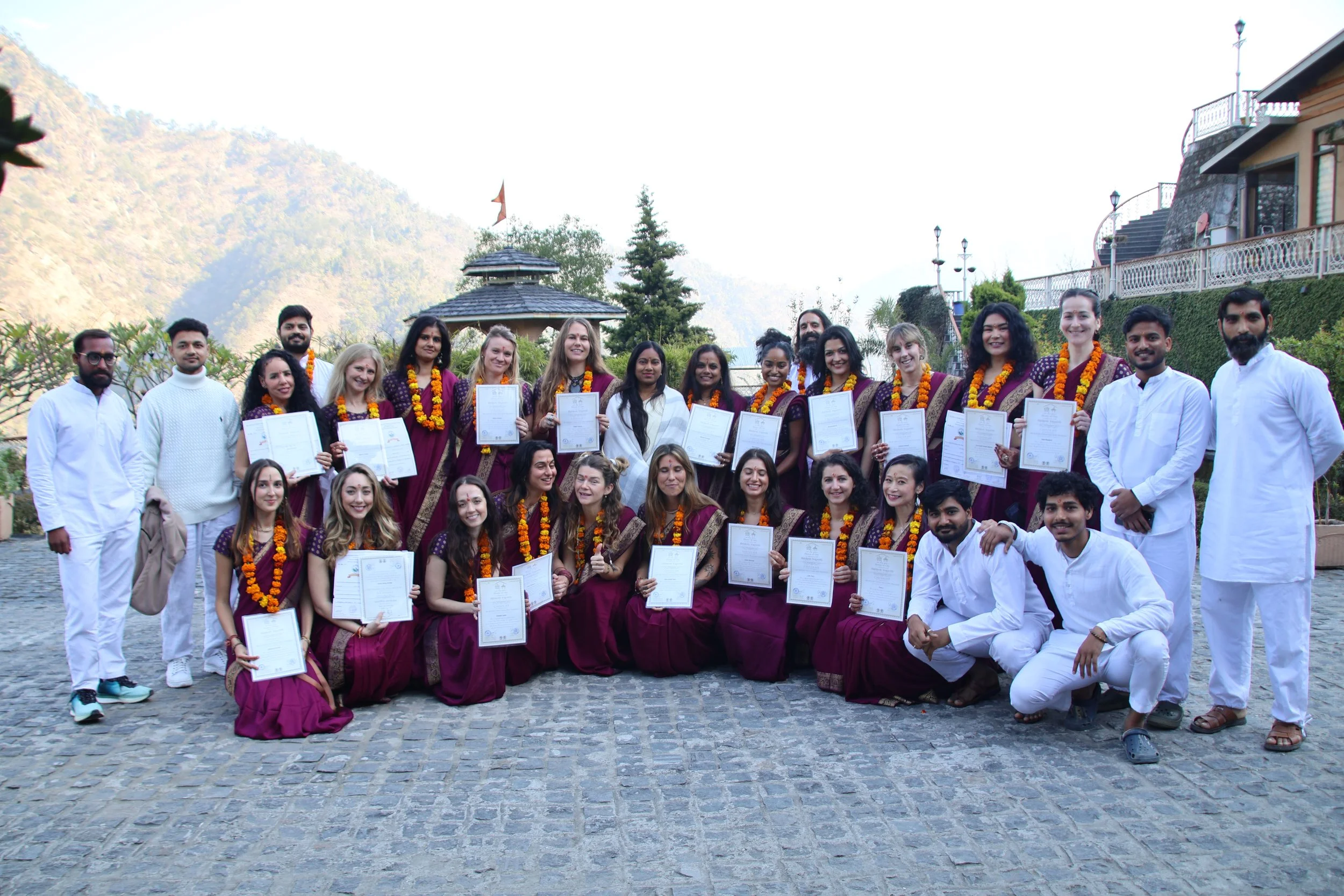
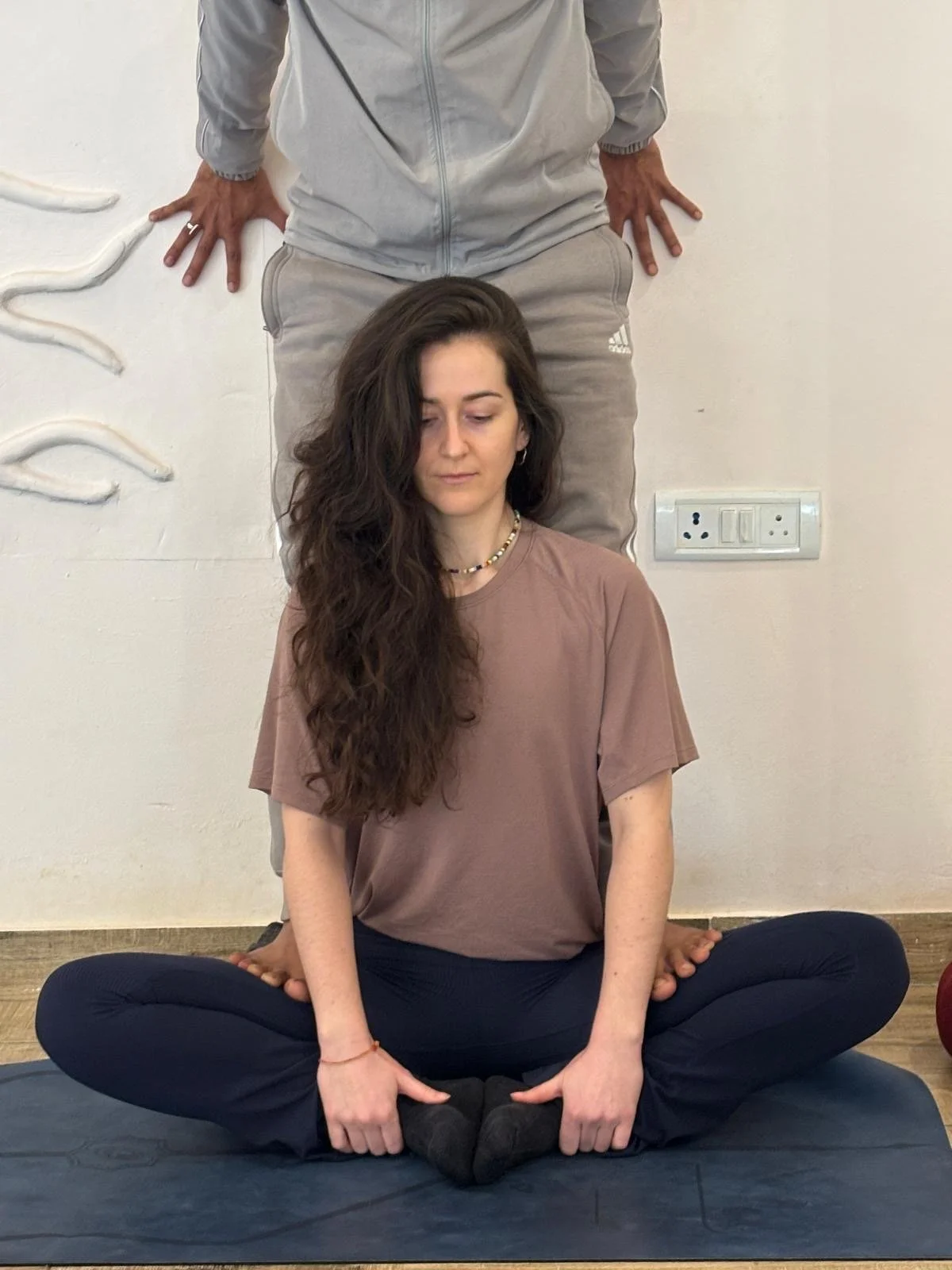
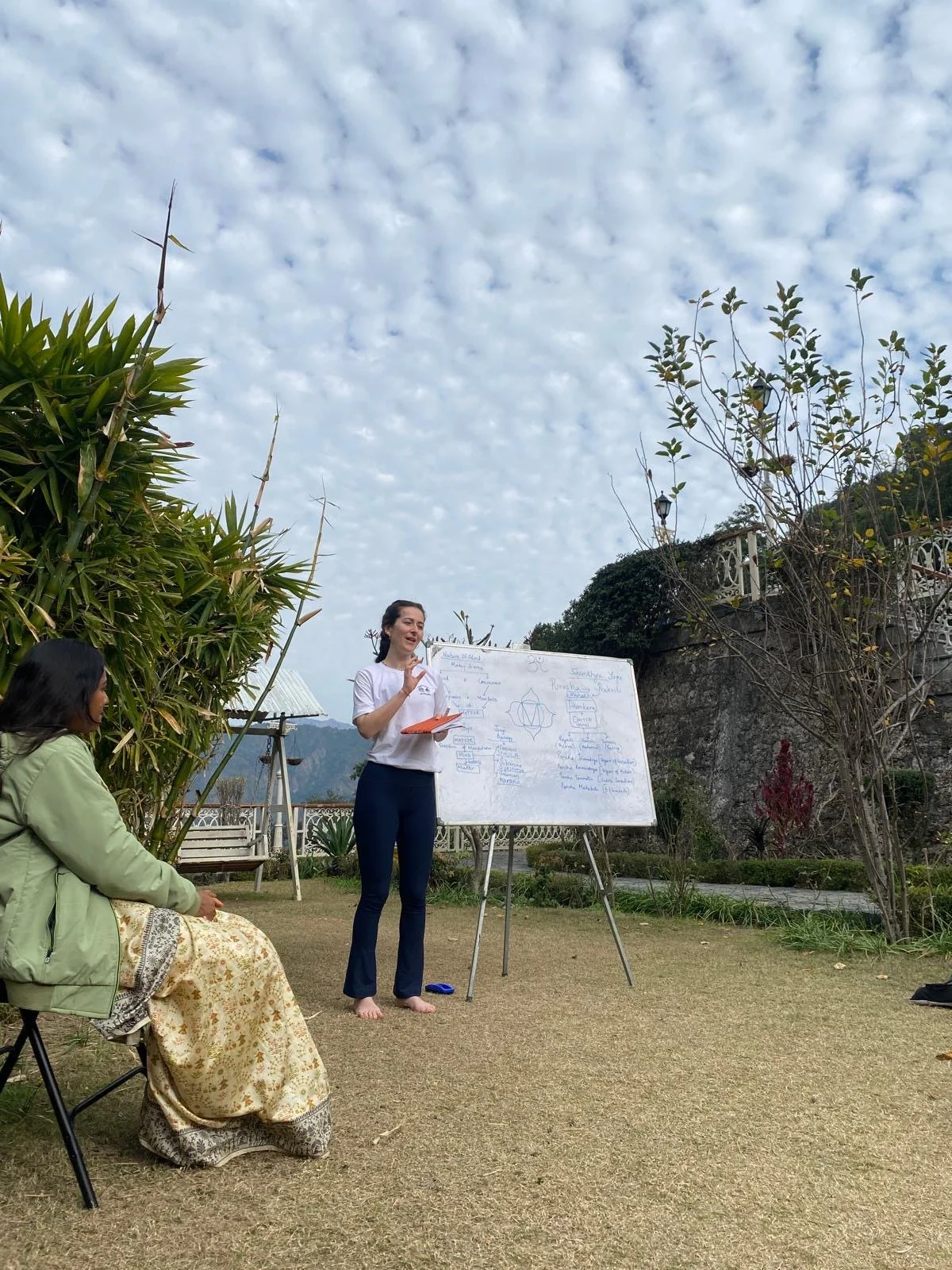
Thanks to skilled yoga teachers and therapists in Zurich, I learned early on how to approach my yoga practice with an L4/L5 herniated disc. I had already accepted that “pushing through” wasn’t the way forward; I know how to modify, use props and respect my physical limits. But stepping into my 300-hour training at Rishikesh Yogpeeth, I realized something else: I might not be comparing myself to others on the mat, but I was still comparing myself; to my past self, to my pre-injury practice, to an expectation of what I should be able to do physically as a yoga teacher. So first, I (re)learned how to embrace where (and who) I am now. This means that some days, I unrolled my mat and modified every asana of the practice. Other days, I sat in a corner, took notes and observed. Sometimes, I was there purely to support my peers through hands-on adjustments.
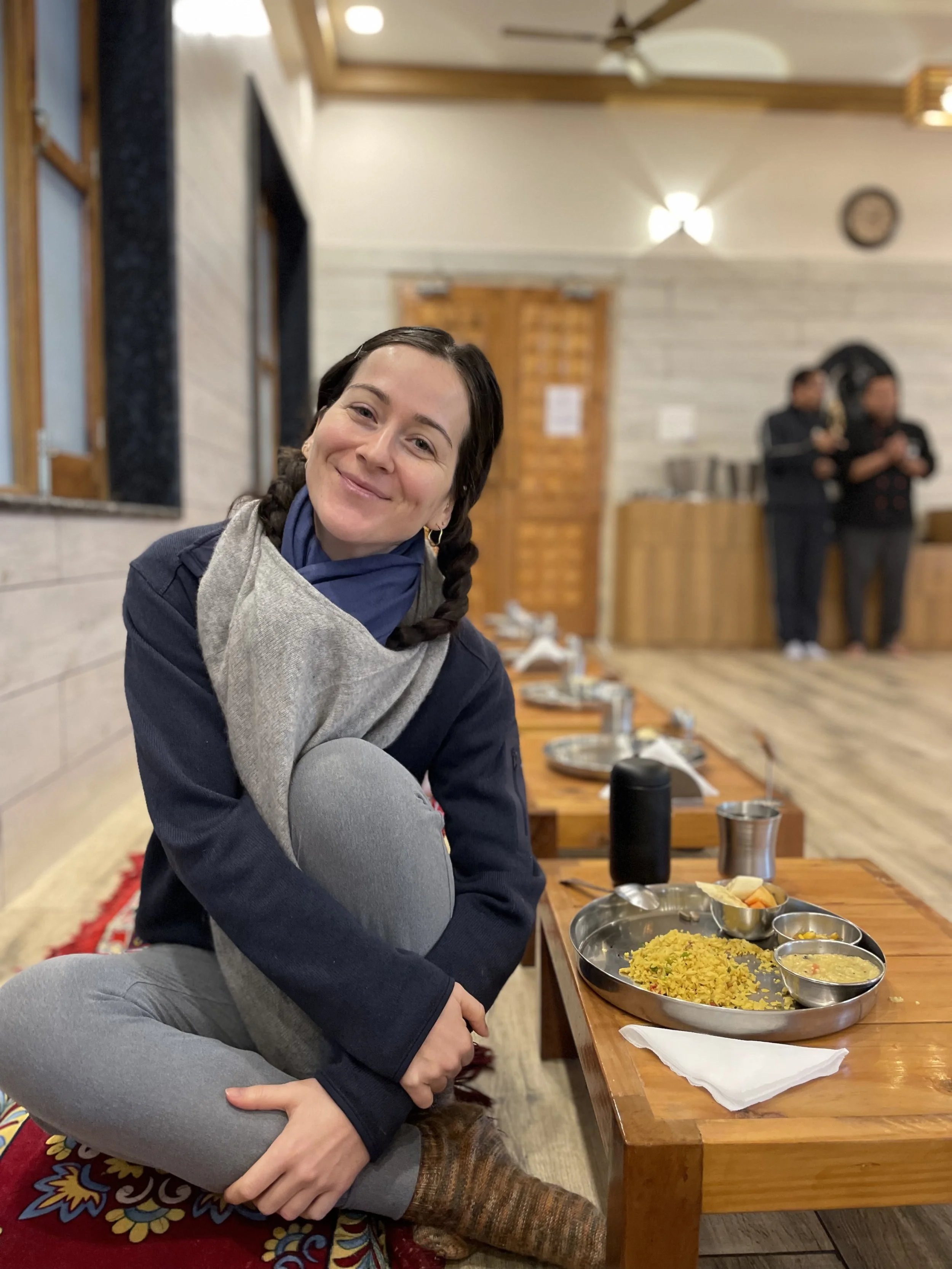
Beyond the physical practice, the immersive ashram life played a huge role in my healing. Following an Ayurvedic diet, combined with daily herbal treatments prescribed by my Ayurvedic doctor, I felt my body receiving nourishment on a deeper level. Healing wasn’t just happening on my yoga mat but also through rest, food and the slower rhythm of life in the ashram.
Still, I won’t lie; there were moments of frustration. I longed to move freely like the others, to stop thinking about my herniated disc and to stop modifying every asana. But then I reminded myself: yoga isn’t about a perfect asana practice; it’s about showing up, however that looks.
The inner challenges
What was eye-opening and also one of the biggest challenges I faced was my own thoughts. The ashram environment placed a strong emphasis on svadhyaya (self-study), inviting us to turn inward. Observe our thought patterns. Sit with discomfort rather than escape it. Daily meditation weren’t just about stillness. Asanas practices weren’t solely about physical capabilities. Everything helped me reveal my inner challenges. The stiffness of my own mind. The resistance, the impatience, the attachment to how things should be.
I realized that while I had been diligently working on regaining mobility in my physical body, I hadn’t always approached my mind with the same patience. Some days, meditation felt impossible. Frustration would show up. Self-doubt would creep in. But just like my physical healing, this, too, requires practice. I learned to witness my thoughts without (over)reacting, to soften the rigid expectations I had placed on myself and to embrace where I was mentally. Not just physically.
My key takeaways
1️⃣ A YTTC is not just about asana. You can still fully immerse yourself, even with physical limitations. My YTTC deepened my understanding of yoga beyond movement: asana, philosophy, anatomy, pranayama and meditation all played an equal role.
2️⃣ Modifications and mindful movement make you a better teacher; not a weaker one. Every day, I had to adapt my physical practice. But by doing so, I sharpened my ability to offer safe, inclusive options for practitioners attending my yoga practices.
3️⃣ Holistic healing makes a difference. The Ayurvedic food, herbal treatments, self-study and overall the slower pace of ashram life complemented my physical recovery. Yoga is more than asanas; it’s a lifestyle that supports healing on multiple levels.
4️⃣ Teaching isn’t about “doing it all perfectly”. Some days, I couldn’t physically do poses, but I learned how to cue more effectively, assist others and refine my ability to see people and their bodies in motion.
5️⃣ Your mindset is just as important as your physical recovery. I had to let go of comparing myself to my pre-injury self. The biggest lesson? Progress isn’t linear, and healing doesn’t mean “getting back” to where you were; it means embracing where you are now.
Final thoughts: so… should you do it?
If you’re considering a YTTC but are unsure due to an injury, I’d say this:
If you’re focusing primarily on the physical level of the practice, then I’d recommend waiting until you’re physically healed.
If you’re ready to embrace a more holistic journey, one that focuses on your mental, emotional and spiritual growth as much as your physical practice, then yes! It’s absolutely possible. Just make sure to consult your doctor, get their clearance and inform the lead teacher of your YTTC before registering. Trust that your path as a teacher doesn’t need to mirror anyone else’s.
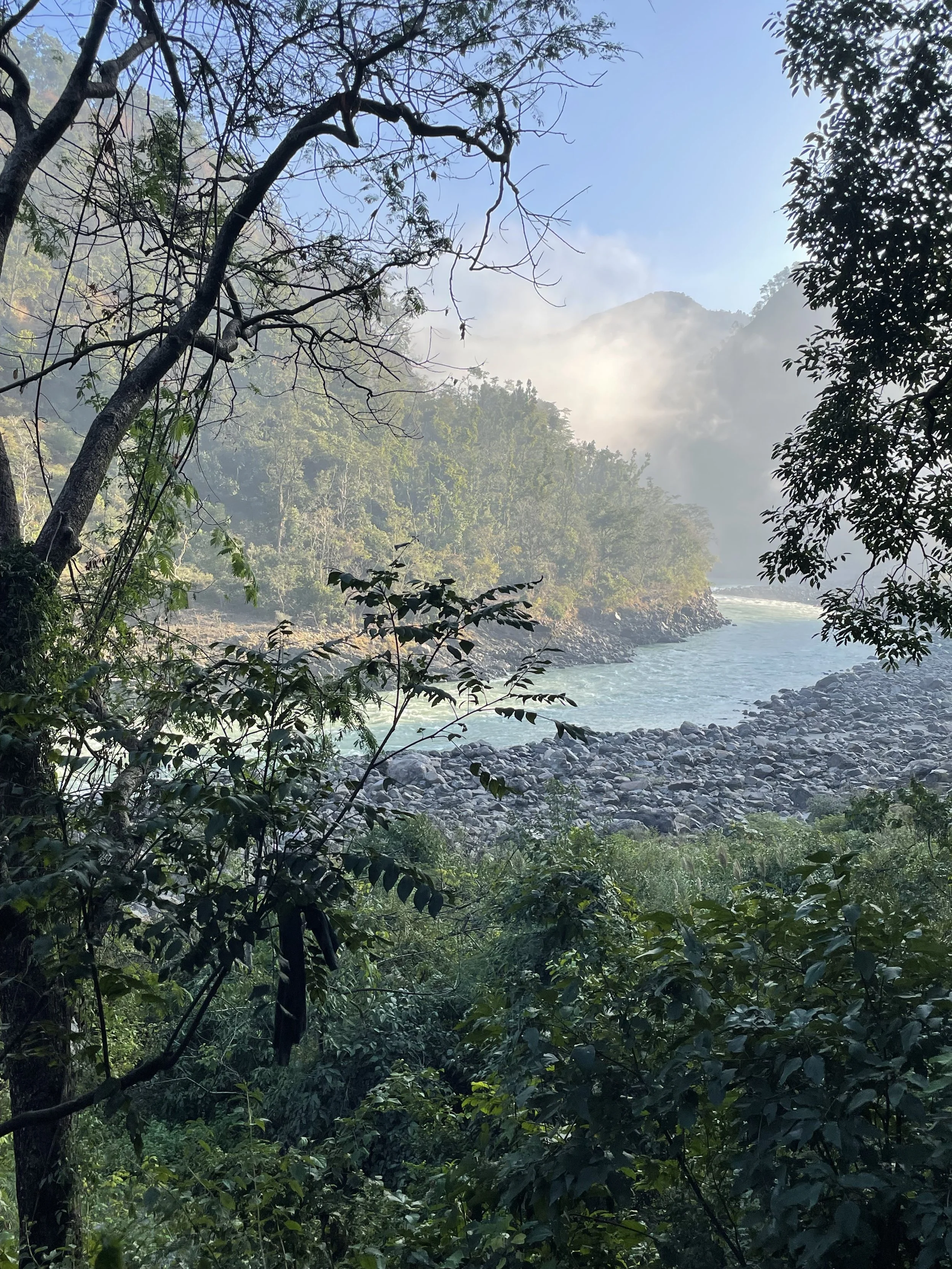
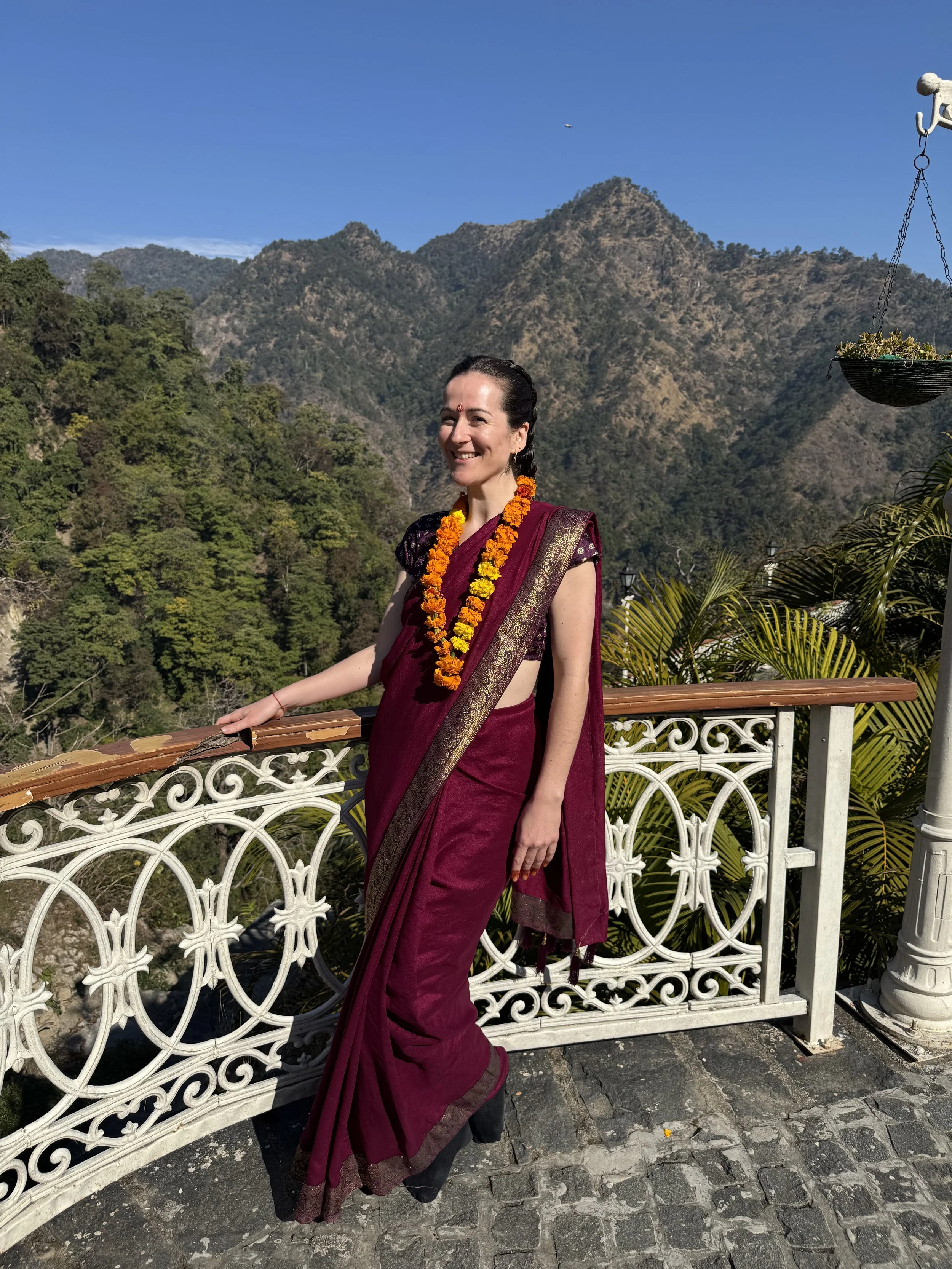
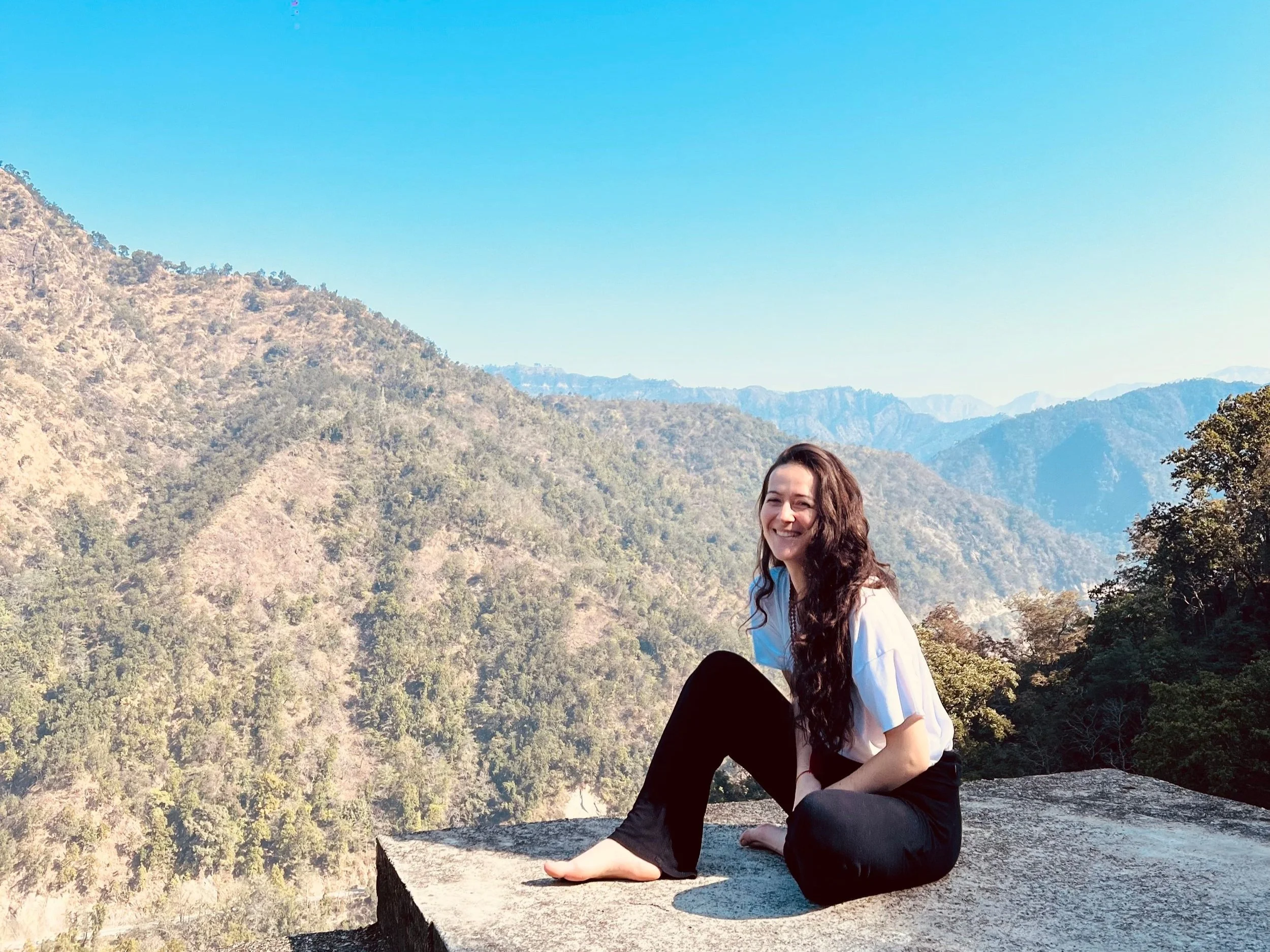
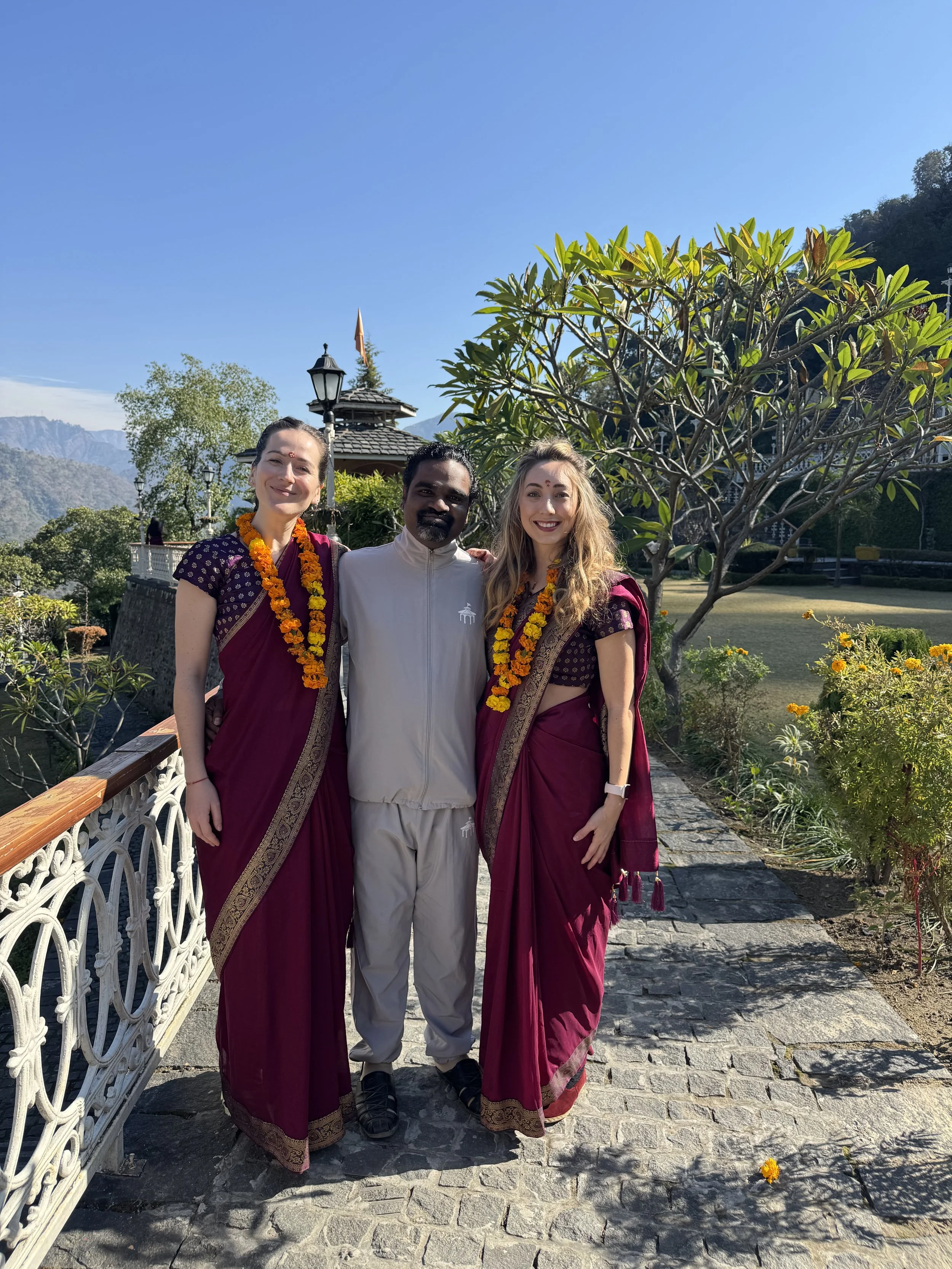
My 300H YTTC was a profound journey of facing my inner fears and physical limitations, all while living a yogic lifestyle. After 30 days in the Himalayas, I left not just with a certificate, but with a renewed sense of self and deeper healing. If anyone had asked me if I’d stay for another 30 days, I would’ve said yes without hesitation.
I’m still unfolding all the learnings but I loved to be reminded that you’re not defined by what you can or can’t do physically. The key to holding space is being authentic and teaching from your personal experience. And the herniated disc plays a big role in my journey. My injury didn’t make me less of a student or less of a teacher. If anything, it made me more compassionate and connected to others.
How do you feel after reading my experience? I’d love to hear your thoughts!
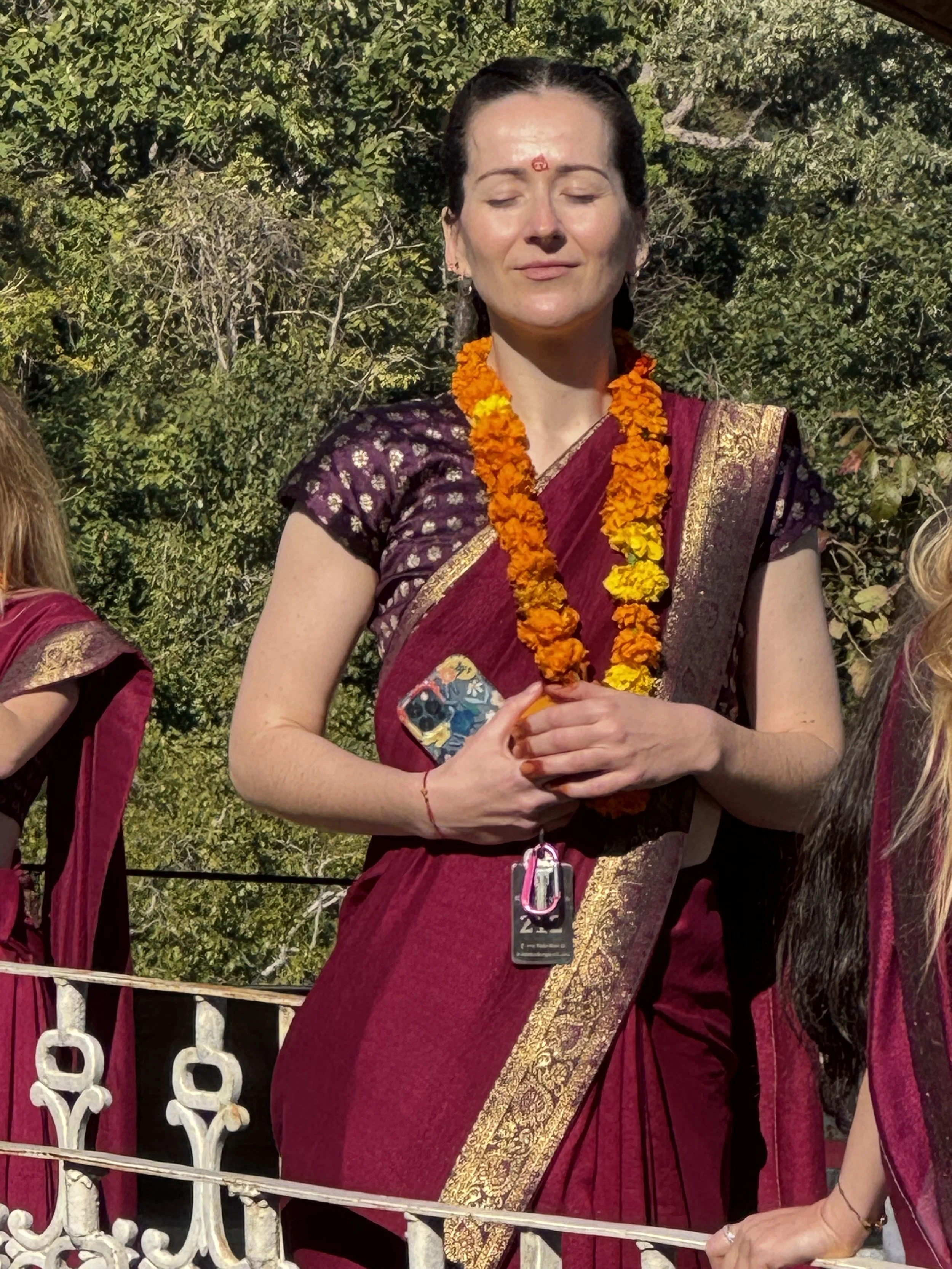
Psssst! Get exclusive benefits as a future Rishikesh Yogpeeth student
If you're curious about the school I went to, Rishikesh Yogpeeth want to learn more or register for a YTTC, you can access exclusive benefits by mentioning my name when you contact them via email. These benefits may include complimentary airport pick-up/drop-off from Dehradun, Ayurvedic treatments during your stay and more! Simply reach out and they’ll provide you with all the details when you sign up 😊
Also, if you'd like to hear more about my experience 👇