
Stop using playlists while teaching yoga
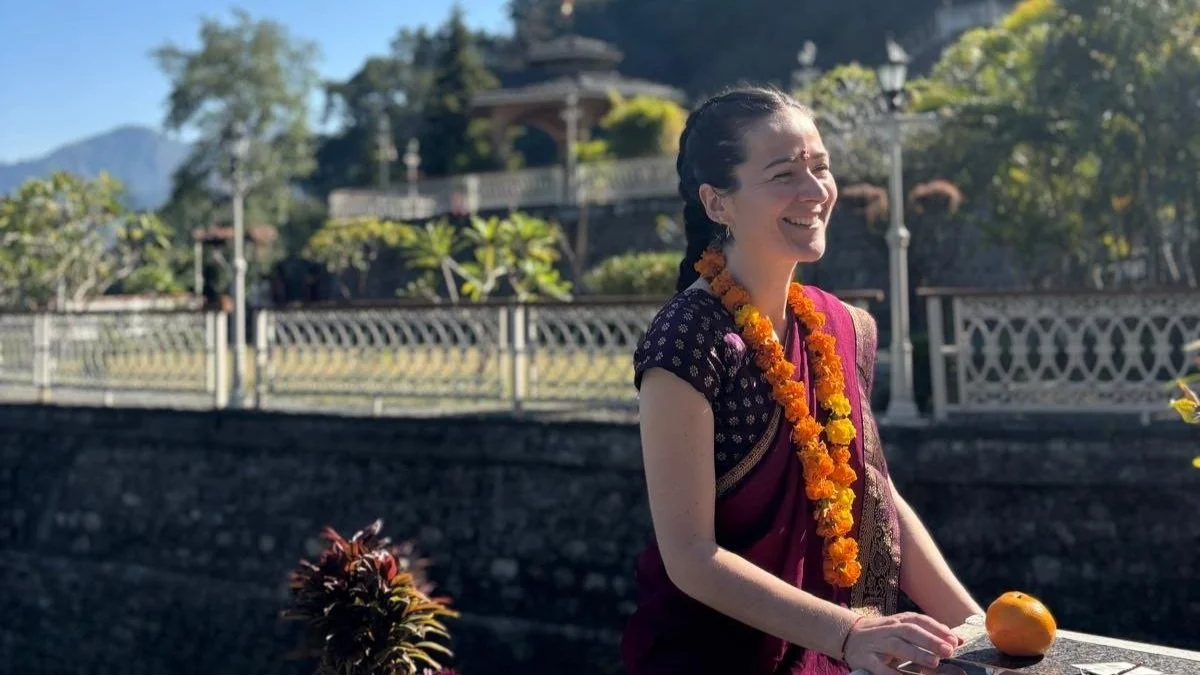
For years, I mostly practiced yoga in studios where music was always playing. Naturally, I started teaching yoga with music too. At first, I thought that, just like with my sequencing, I’d take the time to carefully curate playlists. The reality, though, was that I didn’t find that much joy in that and I ended up playing the same three playlists. After my trip to Rishikesh, I realised that silence the missing piece of my teaching practice.
What’s in it for yoga teachers
For years, I believed that music added depth and gave a certain “energy”, a special vibe to the practice. However, during my time in Rishikesh, I immersed myself in the traditional teachings and I experienced something profound: silence. No background melodies, no ambient soundtracks, no hiding; just the rhythm of breath and the deep stillness between movements.
Since then, I have embraced teaching without playlists. To. be frank, it wasn’t an easy transition at first. Many students (and I) are accustomed to flowing with sound. So I introduced it first as an “experiment” and asking yogi*nis for feedback. But over time, I’ve witnessed the deep impact of practicing in silence. And practitioners would share their positive feedback so I let go what I thought a good yoga teacher “should” be, which included curating playlists. Here are three main reasons why I choose not to play music in my yoga classes:
Respecting traditional practices
Yoga emphasizes breath, stillness and internal awareness. By teaching without music, you allow students to experience the practice as it was intended. Silence creates an environment where the internal experience, rather than external influences, becomes the focus, aligning with the true essence of yoga.Creating a focused, distraction-free environment
Music, while enjoyable, can distract both the teacher and students from the present moment. Without it, the class becomes more about tuning into the breath and body rather than being influenced by external rhythms. This silence encourages a deeper, more focused practice, where the students are guided by their own internal cues rather than an external soundtrack.Empowering your teaching
Choosing silence forces teachers to rely on their voice, cues and presence to guide the practice. This reliance can help you develop a deeper connection with your students. You’ll notice shifts in their bodies, breath and focus more clearly, allowing you to adjust your teaching in real-time, making each class more personal and effective.
What’s in it for yoga practitioners?
Deeper mind-body connection
Without music filling the space, practitioners can tune more deeply into their own bodies. The absence of external sounds allows them to focus solely on their breath, heartbeat, and any subtle sensations. This heightened awareness leads to a richer experience, where students feel more connected to themselves, both mentally and physically.Enhanced present-moment awareness
Music has the potential to pull us into a specific emotional state or memory. Without it, practitioners are encouraged to stay fully present in the moment, without being guided by an external force. This creates an opportunity for true mindfulness, where students can observe their thoughts, feelings, and sensations in real-time, cultivating a deeper awareness of the present.Honoring individual experiences
Every practitioner comes to their mat with their own emotional state and experience. Silence provides a neutral space, allowing each person to process their practice as they need to, without the influence of music that could be either uplifting or distracting. This ensures a safe space where individuals can explore their own journey without external judgment or distractions.
And so?
Have you ever considered what yoga would feel like without music? By choosing to teach and practice yoga in silence, you experience the practice in its purest form. Silence creates an environment that promotes deep connection, mindfulness and emotional clarity. Without external distractions, both teachers and practitioners can focus on the breath and body, fostering a more introspective experience. Silence allows the breath to guide the practice, fosters inner peace, and enhances self-awareness. It creates space for healing and personal growth, making yoga a deeper, more transformative practice.
Letting go of music in my classes wasn’t just about removing a playlist; it was about creating space for awareness and connection. This approach might not be for everyone, and that’s okay. However, if you’re curious to experience yoga in its purest form, I invite you to join me in this journey of stillness and presence.
Newly, I teach at Sanapurna in Zurich on Tuesdays (12:00-13:00 Hatha Lunch Practice), Saturdays (10:00-11:15 Hatha Yoga), and Sundays (09:30-11:00 Vinyasa Flow). If you’re curious to experience a class without music, I’d love to practice with you.
PS: Of course, every "rule" has its exceptions. In my yin practices, I play the gong here and there. A sound that doesn’t fill the space but expands it, guiding the body and mind deeper into the practice. Why? Well, that’s a story for another blog post I guess 😉
What are your thoughts on practicing yoga with(out) music? Let me know in the comments or 👇