
Donation classes: a (false) good idea?
Over the years, three things related to yoga constantly increased in Western Europe; its popularity, the number of teachers and the costs of classes. The latter made it challenging for many people to practice yoga. Still, I wonder: shall I turn my back to donation-based classes?
Since I started teaching, I always wanted to democratize yoga. I dreamed of making it accessible to a wider audience by removing the biggest hurdle of them all: financial barriers. Because I know how it is to not have access to something you want because of its price. Just like many in Switzerland, I thought that the best approach to “give back” is to offer donation-based yoga classes. There, yogi*nis contribute an amount of their choice.
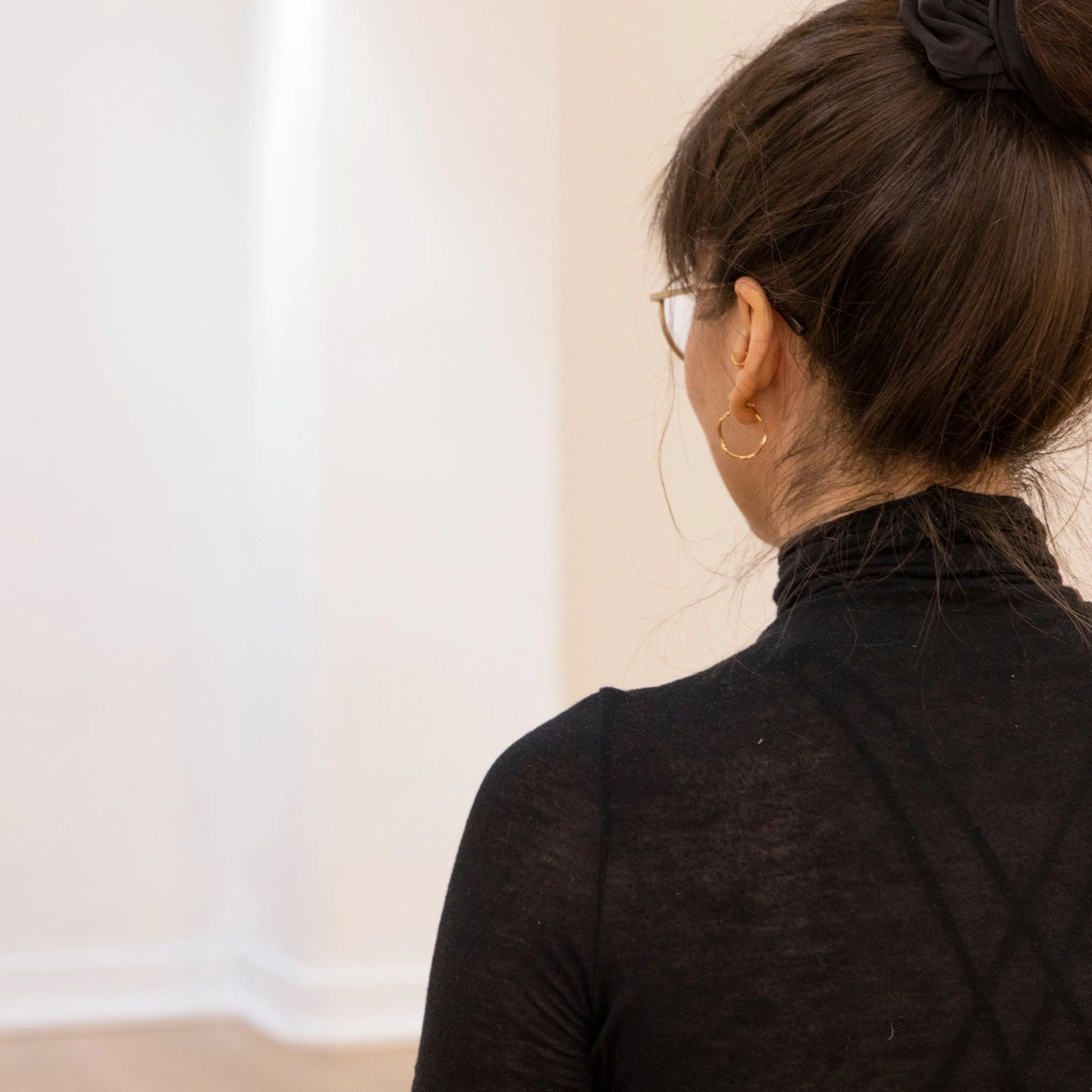
Photo credit: Rahel Zuber (2023)
The reality is that these yoga classes often fall short of their intended goals and can leave bigger bruises than benefits. Not only for the yoga teacher. But for everyone.
Distorted value perception and expectations: Whether something is offered for free or by donation, it is often perceived as of low value. How can I say that? Based on my own experience and using simple key performance indicators such as attendance rate vs subscription rate. When people sign up and pay in advance the probability that they show up or cancel on time is higher than otherwise. My advice: next time you sign up for a donation-based class, think of the yoga teacher/organizer as your friend who invited you over for dinner. Either show up on time or tell them you can’t come. Most of us put the same effort, expertise, and resources to provide you with a qualitative yoga experience. Be considerate. Don’t ghost.
Sustaining the business: Yoga professionals are not immune to the challenges of running a financially sustainable practice. Donation-based classes rarely cover operational costs, pay rent or provide fair compensation. Yoga teachers, like any other professionals, would love to rely on a consistent income. Truth is, only a happy few can live fully based on their yoga teaching activities. Oftentimes teachers providing such classes are not employed by the studio they teach in. Thus, if you can afford it, feel the positive flow of giving and receiving. Contribute as much as you can to support your teacher, as fairly as possible, according to your means. Let’s all contribute and avoid offering yoga professionals precarious work conditions.
Financial exclusion remain: While the idea is to make yoga accessible to everyone, the reality in Switzerland is that a high percentage of the yogi*nis joining on-donation practices are most likely able to afford full-price classes. Indeed, many people with limited financial means still don’t come due to the social pressure of donating. Or feeling uncomfortable if they contribute less than the others.
The above-mentioned experiences contributed to my decision to drastically reduce holding donation-based (in person) classes. I am now exploring alternatives. Options that provide a more sustainable and inclusive approach such as membership programs or community supported yoga spots. To start with, I have decided to start sharing free practices on my YouTube channel and short meditations on Spotify.
Which alternative would be your favorite? What are your thoughts on this topic overall? Feel free to share in the comment section below.